Katja Wagner · 14 October 2026
Dorset’s Traditional Pottery Villages Adapt Ancient Techniques to Modern Sustainable Practices
Dorset’s pottery villages have maintained production methods rooted in local clay deposits for centuries, and communities in areas such as Verwood and the Purbeck region continue to refine those approaches through integration with contemporary resource management strategies. Artisans extract clay from nearby seams using techniques that limit soil disturbance, then process the material with machinery powered by renewable sources to cut energy consumption compared with older coal or wood firing systems.
Historical Foundations of Dorset Pottery
Pottery production in Dorset dates to Roman times when local clays supplied tiles and vessels for regional trade networks, and by the medieval period villages had established dedicated workshops that relied on hand-built kilns fueled by nearby woodland. Records from the 18th century show output focused on agricultural items including butter pots and drainage pipes, with families passing wheel-throwing skills across generations while sourcing raw materials within a few miles of each settlement.
These villages developed distinct styles based on clay composition, with iron-rich seams producing reddish earthenware and finer deposits yielding stoneware that withstood higher firing temperatures. Production remained small-scale until the 19th century when demand for domestic goods increased output, yet the core sequence of digging, wedging, forming, glazing and firing stayed consistent across workshops.
Preservation of Ancient Techniques
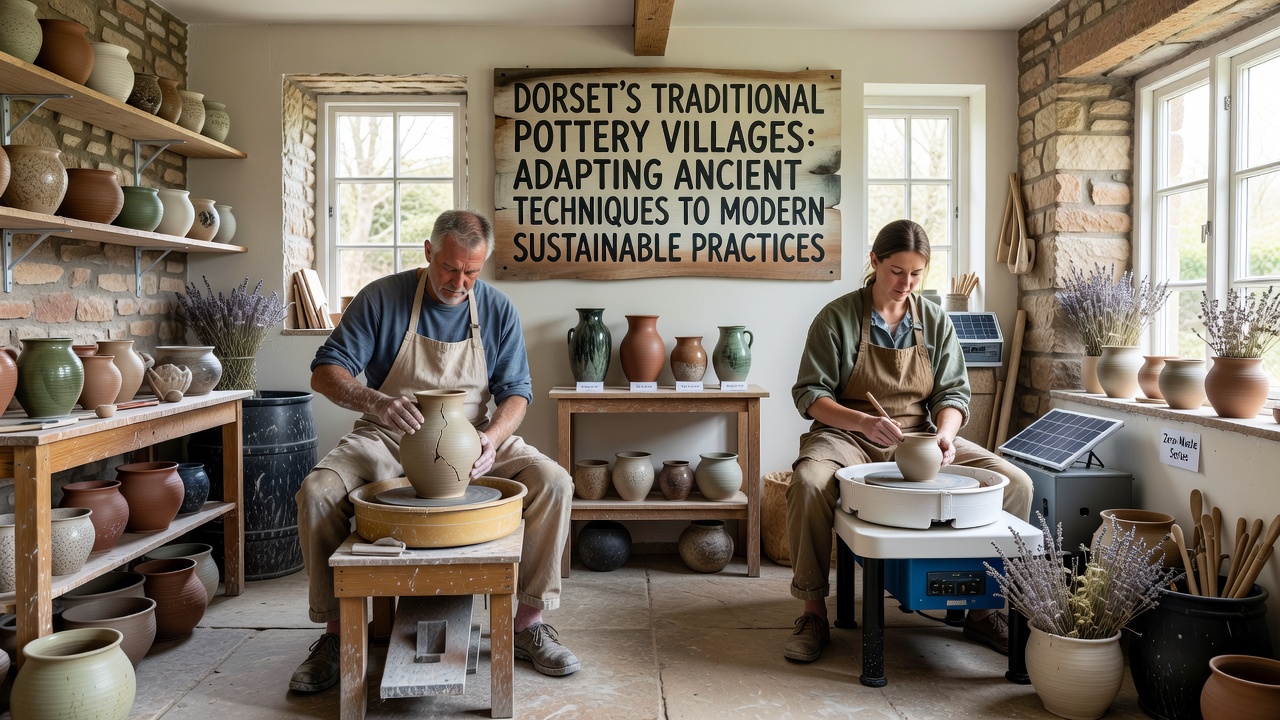
Many Dorset potters still employ kick wheels and treadle mechanisms for forming shapes, methods that require no external electricity and allow precise control over wall thickness. Wood-fired kilns, though modified with better insulation, continue to produce the atmospheric effects valued in traditional glazes, while salt glazing processes follow recipes documented in 17th-century ledgers. Apprentices learn to judge firing temperatures by observing flame color and cone melt rather than digital sensors, preserving tactile knowledge that has guided production for hundreds of years.
Integration with Sustainable Practices
Workshops now combine these established steps with closed-loop water systems that recycle slurry from throwing and trimming stages, reducing freshwater intake by measurable amounts according to industry monitoring data. Solar panels installed on studio roofs supply electricity for pug mills and lighting, and waste clay from unsuccessful firings is crushed and reincorporated into new batches rather than sent to landfill. Kiln designs incorporate improved burners that achieve the same heat curves with lower fuel volumes, a change documented in production logs kept by several family-run operations.
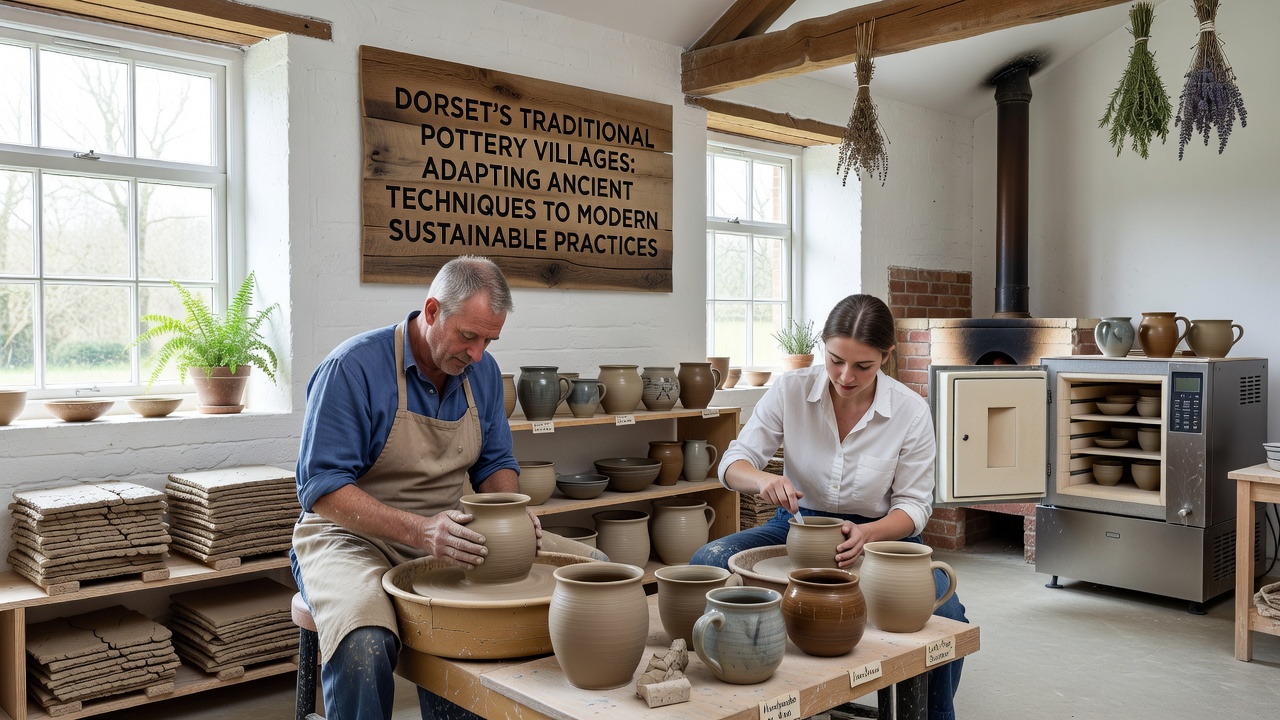
Local clay extraction follows guidelines that require backfilling of pits with organic matter to support regrowth of native vegetation, and transport of finished goods relies on consolidated deliveries to minimize vehicle miles. These adjustments align with circular economy principles outlined in reports from the European Commission, where ceramic manufacturers track material flows to reduce virgin resource use.
Community and Economic Dimensions
Village cooperatives have formed to share equipment such as electric pug mills fitted with variable speed controls, lowering individual capital costs while maintaining output quality. Training programs run in partnership with regional colleges teach both historic forming methods and environmental accounting, producing graduates who document carbon metrics alongside traditional production notes. Markets in nearby towns feature pottery alongside produce, creating direct sales channels that keep revenue within the local economy and reduce packaging requirements.
October 2026 workshops scheduled across several Dorset sites will demonstrate side-by-side comparisons of wood-fired versus hybrid electric kilns, allowing visitors to observe temperature curves and fuel consumption figures collected during controlled test firings. These events build on earlier pilot projects that measured emissions reductions after installation of heat recovery systems on existing kilns.
Material Sourcing and Environmental Metrics
Clay analysis conducted by regional laboratories confirms consistent mineral profiles in seams still accessed by village potters, supporting continued use without distant imports. Glaze formulations increasingly substitute plant-derived ashes for mined metal oxides, a shift tracked in studio notebooks that record batch recipes and firing results. Waste heat from cooling kilns now preheats drying rooms, an adaptation that shortens drying cycles and cuts overall energy demand according to figures compiled by participating workshops.
Studies from the American Ceramic Society highlight similar efficiency gains when traditional kilns receive targeted upgrades rather than full replacement, data that Dorset producers reference when planning incremental improvements. Soil restoration after extraction follows protocols that include seeding with local wildflower mixes, restoring biodiversity indicators measured through annual surveys.
Conclusion
Dorset pottery villages demonstrate measurable continuity between historic methods and updated operational standards, with production records showing steady output alongside documented decreases in resource consumption. Continued monitoring of clay reserves, energy use and waste streams provides the data needed to sustain both craft traditions and environmental performance over coming decades.