Wendy Hayes · 30 September 2026
Dorset’s Forgotten Railway Tunnels Spark Community-Led Restoration Projects
Disused railway tunnels across Dorset have drawn renewed attention from local groups seeking to preserve engineering heritage while creating new public access routes, and these efforts gained momentum through coordinated volunteer programs that began expanding in 2024. The tunnels, remnants of lines such as the Somerset and Dorset Joint Railway and the Wareham to Swanage branch, date primarily to the mid-19th century when construction crews blasted through chalk and limestone formations to connect rural communities with larger markets in Poole and Weymouth.
Historical Background of Dorset’s Railway Network
Construction records show that engineers completed the first major tunnel near Corfe Castle in 1885 as part of efforts to link the Isle of Purbeck with the national network, and similar structures followed at locations including Shillingstone and Sturminster Newton where gradients required deep cuttings and covered sections. Passenger services on many of these routes ended between 1950 and 1970 under nationalization policies, after which maintenance ceased and vegetation gradually reclaimed the portals and interiors. Data from the Department for Transport indicates that over 40 kilometers of trackbed in Dorset now sit abandoned, with at least seven tunnels longer than 100 meters remaining structurally intact though blocked at both ends in several cases.
Surveys conducted by heritage organizations have documented brickwork linings that remain sound in most locations, while drainage systems installed during original builds continue to function in isolated sections. Those who have mapped the sites note that some tunnels retain original ventilation shafts and refuge niches carved into the walls, features that provide tangible links to Victorian construction techniques.
Community Initiatives Take Shape
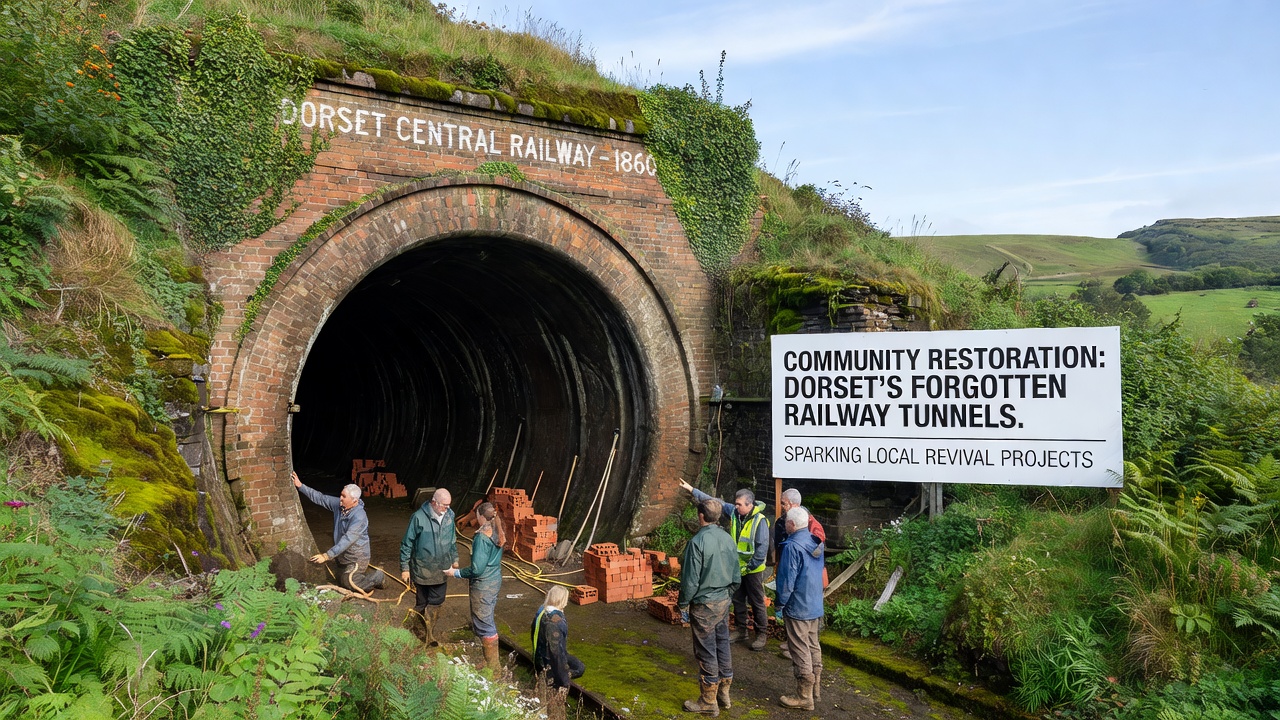
Local volunteers formed the Dorset Tunnel Heritage Group in early 2023 after discovering archival photographs in county records offices, and the organization quickly secured permissions from landowners to clear debris from two tunnel entrances near Bere Regis. Work parties have since removed more than 200 tons of fallen earth and installed safety barriers at access points, allowing controlled entry for further assessment. Funding has come through small grants from regional councils and private donations, with equipment loans from nearby construction firms enabling safe removal of vegetation without heavy machinery inside the confined spaces.
Similar projects have emerged at the Shillingstone tunnel site where a separate collective partners with the local parish council to install interpretive panels along adjacent footpaths. These efforts align with broader national trends in heritage railway preservation, where community groups in regions from the Scottish Highlands to the Welsh valleys have converted disused infrastructure into walking and cycling routes. Figures from a University of Bristol study on post-industrial landscapes show that such conversions increase public engagement with local history while supporting biodiversity corridors along former trackbeds.
Technical and Safety Considerations
Engineers involved in the assessments emphasize the need for structural monitoring because seasonal water flow through some tunnels has caused minor brick displacement over decades of neglect. Teams use laser scanning equipment to create three-dimensional models of interior profiles, and these digital records help prioritize sections requiring reinforcement before public access expands. One project at the Swanage end of the network plans to reopen a 180-meter tunnel segment by September 2026 as part of a larger trail linking coastal paths with inland villages.
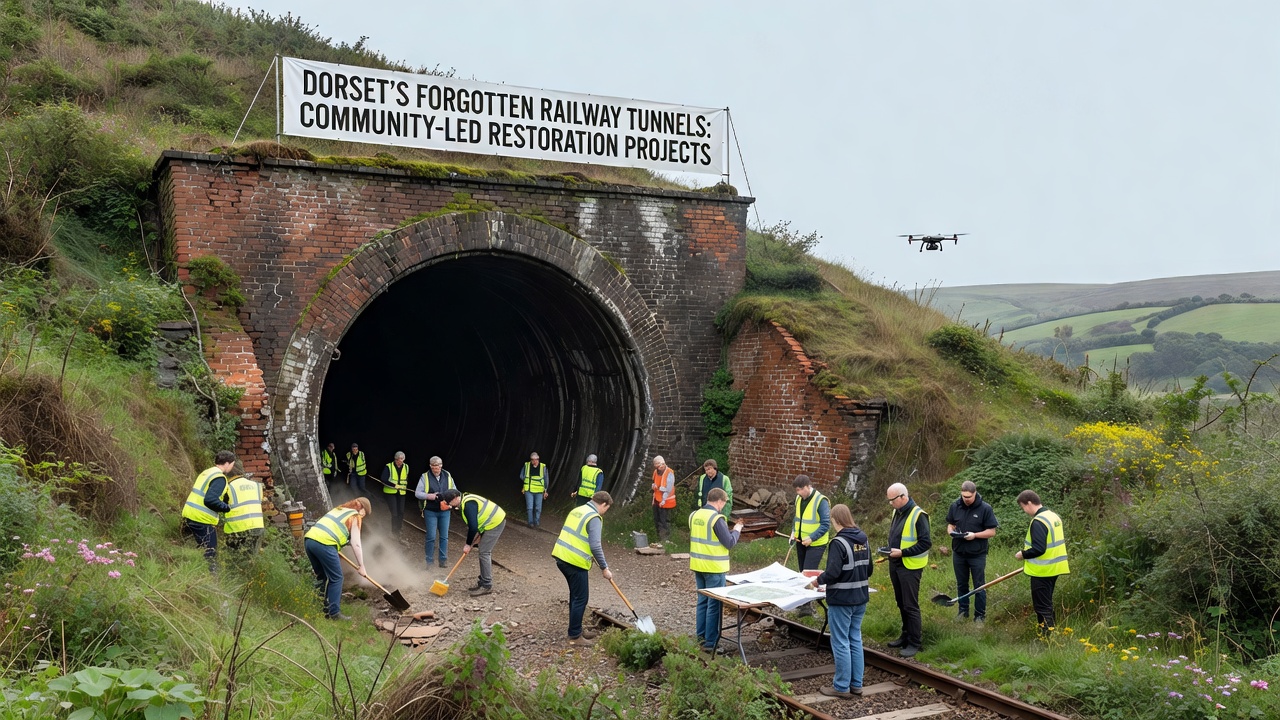
Health and safety protocols follow guidelines established by the British Tunnelling Society, which requires temporary lighting, air quality checks, and emergency egress plans for all volunteer entries. Participants undergo basic training in confined-space awareness before shifts begin, and local fire services have conducted joint exercises to prepare for potential incidents in remote locations.
Ecological and Educational Outcomes
Restoration activities have coincided with ecological surveys that identified bat roosts inside several tunnels, prompting groups to install grille gates that allow wildlife passage while restricting unauthorized human entry. These measures satisfy requirements under the UK’s Conservation of Habitats and Species Regulations, and monitoring cameras installed in 2025 have recorded consistent use by multiple bat species throughout the hibernation period. Educational programs developed alongside the physical work bring school groups to cleared sections for lessons on industrial archaeology and geology, with materials prepared in consultation with county museum staff.
Attendance records from open days held in summer 2025 show several hundred visitors examining exposed brickwork and learning about the economic role railways once played in transporting Purbeck stone and agricultural produce. Such events also generate modest revenue through guided tour fees that reinvest directly into ongoing clearance and documentation work.
Conclusion
Restoration of Dorset’s forgotten railway tunnels continues through sustained volunteer coordination and incremental funding, with measurable progress documented at multiple sites ahead of planned openings in 2026. The projects illustrate how disused infrastructure can transition into community assets when technical assessments, ecological protections, and public engagement combine under structured local leadership. Further updates on tunnel access and trail connections are expected as work proceeds through the coming seasons.